
The Power of the First Five Years: A Foundation for Holistic Development

As an Early Learning Educator, I believe the first five years of a child’s life are the most powerful and transformative years. During this stage, the brain develops at an extraordinary pace, forming millions of neural connections every second.
These early experiences shape how children learn, think, feel, behave, and connect with the world around them.
What is Holistic Development?
Holistic development focuses on nurturing all aspects of a child’s growth, including:
• Cognitive development (thinking and learning)
• Emotional development (understanding and managing feelings)
• Social development (interacting with others)
• Physical development (motor skills and body coordination)
• Creative development (imagination and expression)
Instead of focusing only on academics, early childhood environments should create experiences that develop the whole child.
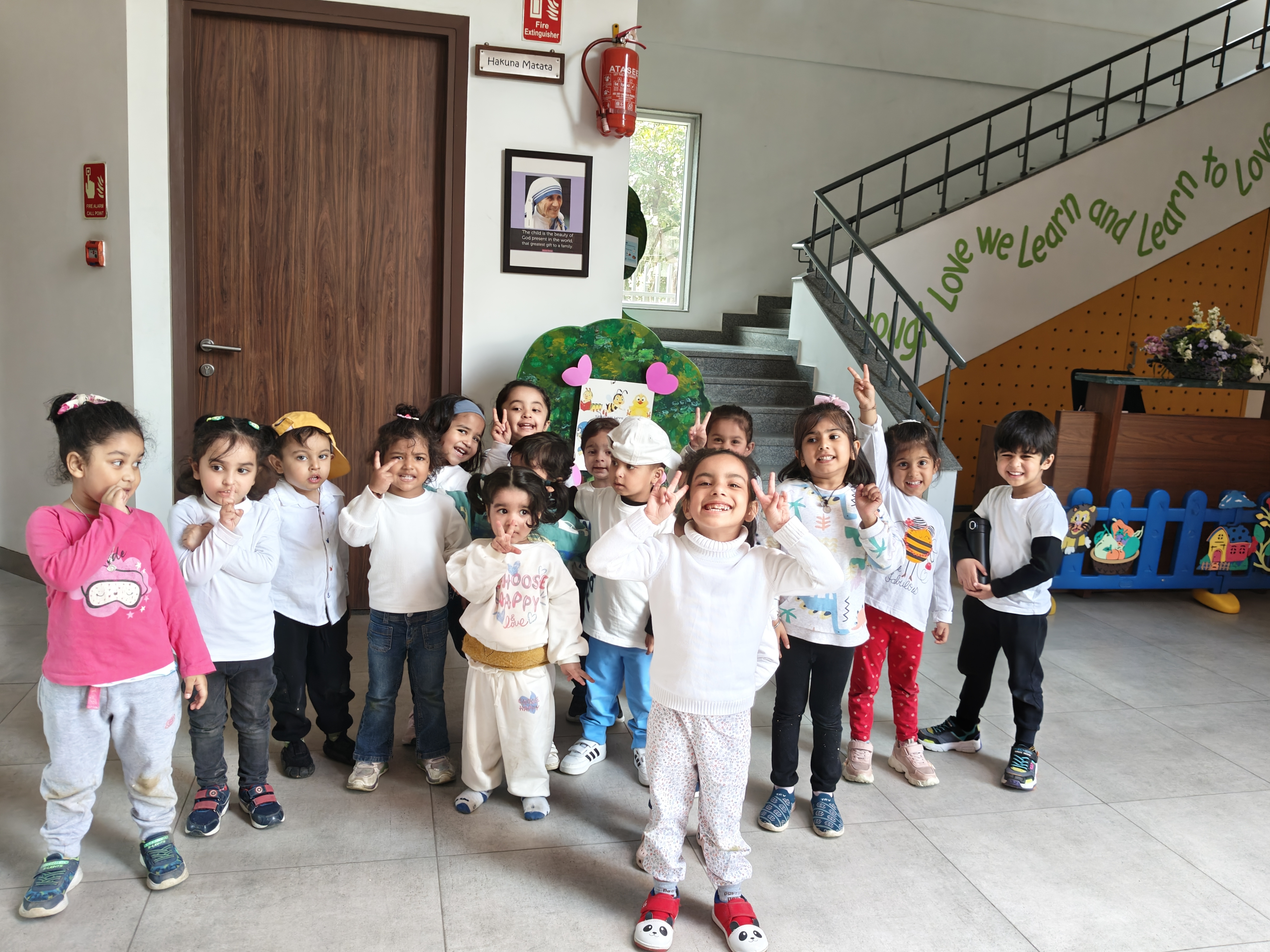
Key Activities That Support Holistic Development
-
Storytelling & Picture Reading
Story-based activities help children develop multiple skills at once.
They help in:
• Building language and vocabulary
• Enhancing imagination and creativity
• Improving listening skills
• Developing emotional understanding
When children discuss characters and share their opinions, they also build confidence and critical thinking skills.
-
Free Play & Role Play
Activities like pretending to run a grocery shop or playing “family” encourage natural learning.
These activities develop:
• Social interaction
• Cooperation and teamwork
• Negotiation skills
• Empathy and emotional understanding
• Communication abilities
• Problem-solving skills
Through play, children learn how to navigate relationships and real-life situations.
-
Art & Craft Activities
Creative activities such as painting, clay modelling, and collage-making allow children to express themselves freely.
Benefits include:
• Strengthening fine motor skills
• Encouraging creativity and imagination
• Building self-expression
• Increasing self-esteem and individuality
In art, there is no right or wrong, which helps children feel confident in their ideas.
-
Music & Movement
Music combined with physical activity supports both mental and physical development.
These sessions help improve:
• Body coordination
• Rhythm and musical awareness
• Memory skills
• Language development through rhymes and songs
• Physical growth and body awareness
Children naturally enjoy learning through movement and rhythm.
-
Sensory Play
Hands-on sensory experiences help children explore the world through their senses.
Common examples include:
• Sand play
• Water play
• Sorting objects
• Texture exploration
These activities stimulate:
• Curiosity
• Observation skills
• Scientific thinking
• Understanding of cause and effect
Children naturally begin exploring concepts like texture, volume, and patterns.
The Role of a Nurturing Environment
Beyond activities, children thrive in environments that provide:
• Warmth and emotional security
• Encouragement and positive reinforcement
• Opportunities to explore freely
• Safe spaces to make mistakes and learn
A warm smile, gentle guidance, and supportive interactions help build emotional resilience and confidence.
More Than Preparation for School
The first five years are not just preparation for school — they are preparation for life.
When we invest time, care, and meaningful experiences during these formative years, we help children grow into:
• Confident individuals
• Compassionate human beings
• Curious learners
• Capable problem-solvers